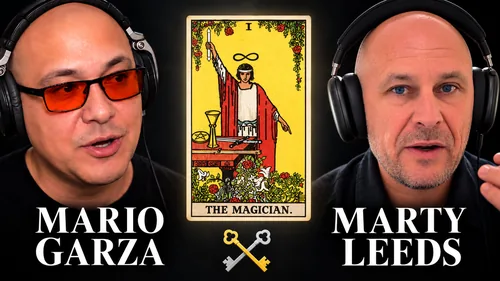
David Mathisen & Mario Garza | Ophiuchus Astrotheology: The Wisdom Gate to Higher Self
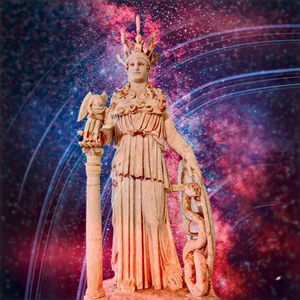









Astrotheology author David Warner Mathisen returns to InnerVerse alongside fan favorite Mario Garza for a comprehensive overview of the symbolism in myth and religion that is contained within the enigmatic serpent-bearing constellation, Ophiuchus. Join us to learn of the vast array of wisdom characters derived from the mysterious asterism, and what they teach us about the gateway through which trauma programming is transcended, and the recovery of the higher self and divine spark.
 Plus+InnerVerse Plus+
 InnerVerse Plus+
Hear every full episode
Every extended episode, the complete Plus+ archive, premium video and a private podcast feed for your app.
Cancel any time.
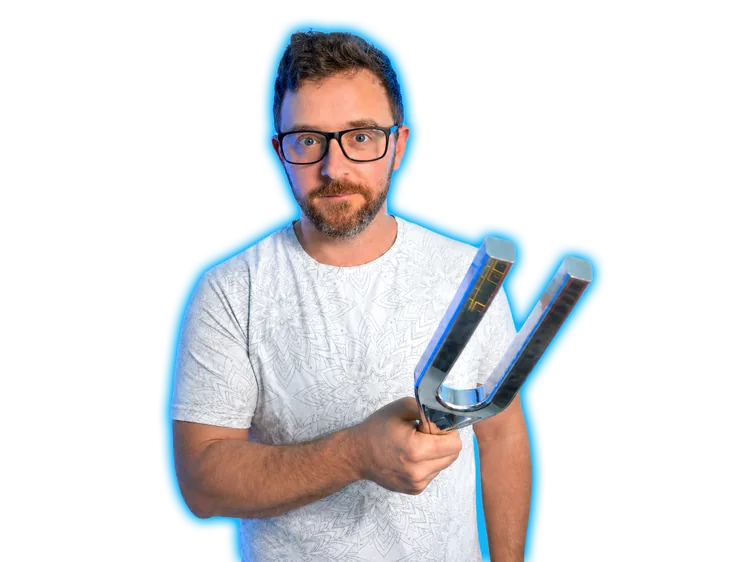
Get tuned with Chance
Tuning forks find where energy is stuck in the field around your body and bring it back into flow. Sessions over Zoom, recorded for you to keep.
30 Minute Consultations
Have something to look at, or looking for guidance? We can consult oracular tools, read your chart, or just talk through whatever you choose.
In this episode
Core themes
The Serpent Bearer Left Out of the Zodiac
David Warner Mathisen argues that Ophiuchus is the pivotal but suppressed figure of the ancient star myth system. The sun genuinely crosses its foot each December, yet the constellation is excluded from the twelve signs, making it a perfect liminal or threshold figure with one foot in and one foot out. Mathisen traces the same serpent bearer through Jesus, Krishna, Buddha, Solomon, Moses, Athena, Asclepius and even Loki, and Chance Garton opens by noting that InnerVerse itself was born under this asterism back in 2015.
Mario Garza and the Argument for the Pole
Mario Garza brings a northern and polar reading to the conversation. He hears Ophiuchus as a bend in a river nudging you toward the circumpolar sky, Ursa Major and Minor, and the older stellar tradition that predates solar worship. Citing John Michell's book At the Center of the World, he describes European villages built as concentric rings around a tree, mound or standing stone that copied the pole star. He also presses the case that Ophiuchus is tied to Mercury and Hermes through the Caduceus, the divine androgyne and the phallus.
Twelve Around a Hidden Thirteenth
Mathisen credits Scott Onstott with pointing him to John Michell's Twelve Tribe Nations, which finds the same layout in Israel, Madagascar, Iceland, Ireland, Wales and among the Inca. Twelve are arranged north, south, east and west, and a thirteenth sits at the center where the connection to the divine lives. Garza links the pattern to the thirteenth card of the tarot, the hanged man's twelve branches and the twelve disciples with Christ as the thirteenth. Ophiuchus becomes the hub, the axle, the clutch between the engine of the divine and the wheels on the ground.
Etymology, Kush and the Snake Legged Gods
Chance Garton drives a long philological thread. The brazen serpent of Moses is nakash, and he hears that kash as the kush in Ophiuchus, the same Kush who begat Nimrod. He derives Bacchus from the Phoenician Bar-cus, son of Kush, and Krishna means swarthy or black just as Ham does. He even reads Abraxas as father, sun and Kush. Mathisen matches this with images, showing Zeus fighting the serpent legged Typhon, the anguiped Abraxas on Mithraic gems, the Apkalu of Nineveh with its handbag, and the Olmec feathered serpent at La Venta.
Myth as a Map of Buried Trauma
The heart of the episode is Mathisen's claim, laid out in Myth and Trauma and his newer Invoking the Ancient Gods in You, that these stories describe the higher self we suppress. He leans on Gabor Mate, Peter Levine and Richard Schwartz's internal family systems, reading Joseph thrown in the pit by twelve brothers and Inanna hung on a hook as pictures of a self that always returns. Garton adds that healing means seeing how trauma shaped behavior, finding the gap between stimulus and response, and refusing the Baudrillard style hyperreality people escape into.
Quotes
“But Ophiuchus is this pivotal, central, but hidden, mysterious, unseen, and in many ways forgotten or left out or suppressed or buried figure that is the key to everything in many ways.”
“And what it's saying to me, with it being the 13th sign, if that's the case, right? And I'm open to all of it, by the way, but it's breaking you out of this solar paradigm, right? The 12 being more so as a solar number, the 12 disciples, but Christ being the 13th.”
“Traveling north, the riddle is to find the middle, that point where now there's stillness. Everything revolves around the throne, which is an anagram for north, the pole. Ophiuchus sits right at the point of that intersection and is like the doorway. Or Jesus says, I am the door. Jesus says, I am the way.”
“The word for the brazen serpent is actually nakash. And that second syllable, kash, is basically the same word as the kush or kus in Ophiuchus. It's pretty much the same, which is particularly interesting when you consider how that word kush, and in philology, s sounds and sh sounds are totally interchangeable.”
“It is the tower, it's like the clutch on your car. Even if you have an automatic transmission, there's still a clutch in there. And it's the connecting between the force of the engine and the wheels on the ground. Ophiuchus is the connecting clutch link between the force of the divine and us on the ground.”
“The serpent connection with Mercury and the Caduceus, right? The fact that Mercury is considered a divine androgyne or having this dualistic sort of personality that's being displayed in Ophiuchus too with obviously one side being the head of the serpent, the other side being the tail.”
“Because higher self can be suppressed, can be, no matter what happens to it, it can come back. Jesus is, you know, speared in the side and crown of thorns comes back. He's a higher self figure, an Ophiuchus figure. Inanna, the goddess of Sumer, she goes down to the underworld, she's hung up on a hook for three days.”
“But wisdom itself is all the protection you need once you're truly in tune with higher self. It's a trust thing where you can know that no matter what happens, no matter how gnarly it is, there's a trustworthy person there, which is myself, which means you don't have to have all these sort of defensive reactionary qualities.”
David Warner Mathisen is a prolific author of astrotheology and "star myth" research, arguing that world mythologies and scriptures share a common ancient celestial symbolic system; he has appeared on InnerVerse multiple times (Star Myths, Ophiuchus, Thor, Aboriginal astronomy).
See all David episodes→Kyle and Serena Denton are community herbalists creating wild-crafted and organic plant medicines out of Milwaukee since 2015. I have used their teas and tinctures on an almost daily basis for years now. Kyle is a great friend of InnerVerse and has appeared on the channel more times than I can count. These products work, not in the allopathic "pharma-medicine" way, but in a terrain-support, consciousness bolstering plant-teacher sort of way.