Peter Conley | Psychedelics & The Integration Station: Turning Altered States Into Altered Traits









After a few "bad trips" in South American ayahuasca retreats, Peter Conley realized he needed to learn how to integrate his shadow, to avoid falling further into mental dysfunction. His research and self-work efforts inspired the creation of Integration Station, a resource website for optimizing psychedelic experiences and clinical psychedelic therapy modalities.
 Plus+Full episode · 1h 56m
 InnerVerse Plus+
Hear the full 1h 56m episode
46 more minutes of this conversation, plus the complete Plus+ archive, premium video and a private podcast feed for your app.
Cancel any time.
Get tuned with Chance
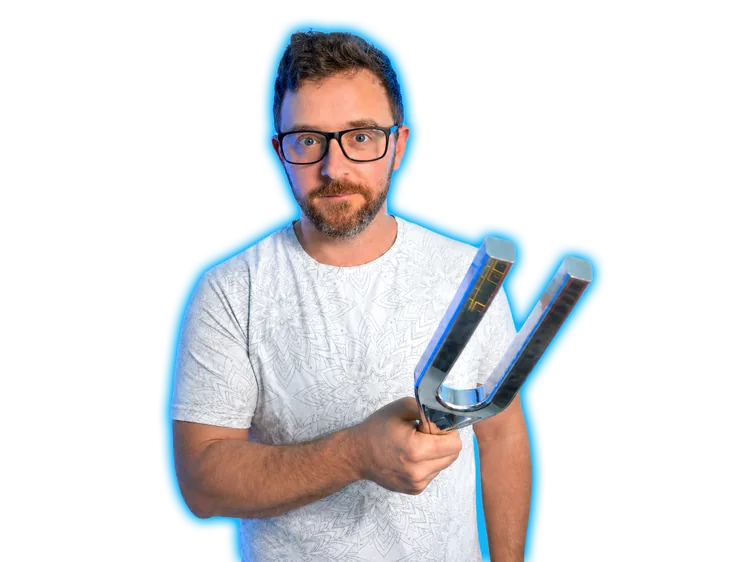
Tuning forks find where energy is stuck in the field around your body and bring it back into flow. Sessions over Zoom, recorded for you to keep.
30 Minute Consultations
Have something to look at, or looking for guidance? We can consult oracular tools, read your chart, or just talk through whatever you choose.
In this episode
Core themes
Integration After the Journey
Chance opens by noting that summer brings festivals where people do powerful things for fun, and in his opinion psychedelics are reality-shifting devices, so it falls to the person to direct the experience and manage the recovery afterward. Peter says leaders in the field kept repeating that integration matters while few resources existed, so he gathered them into Integration Station, which he describes as serving anyone coming back from a retreat, a breathwork weekend, a trip to Peru or MDMA-assisted psychotherapy. Chance stresses that he is not recommending psychedelics, only better preparation and aftercare for people who use them.
Learning to Paddle First
Peter describes joining an ayahuasca retreat in Peru in 2013 with no background in meditation or breathwork, which he calls foolish, likening it to jumping into the deep end without swimming lessons. He acknowledges that others have had wonderful first experiences with it, yet he favors starting with Vipassana, ecstatic dance or breathwork, and says acupuncture and a ten day Vipassana retreat were tools he added afterward. Chance agrees that lighter tools can blast you off with less sense of lost control, and says surrendering control is a skill that needs practice.
Ketamine Clinics and the Spiritual Question
Peter says podcasts and Rick Doblin of MAPS warmed him back toward psychedelics, and he reports good results from six ketamine sessions at a wellness clinic in Buffalo, which he calls a reboot; this is his own account. By his estimate over a thousand ketamine clinics operate in the United States, usually not covered by insurance. Chance asks whether a purely materialist clinical approach misses something deeper, and Peter, having visited only one clinic, guesses some may lack knowledge of altered states, while praising the integration coach he was paired with.
Facilitators, Auras and Ego States
Chance offers red flags to look for in practitioners, saying in his view they should understand that plants and medicines carry a spirit, and voicing his belief that heavy recreational use can open gaps in the aura that let unwanted entities in. Peter says he has not researched entities, but does believe the soul is more exposed under psychedelics, so facilitators need character and ideally personal experience. Chance then describes ego states from Soul-Centered Healing by Thomas Zinser, arguing that integration brings lost parts of the self back into awareness without merging them with the ego.
Chance on Neutrality and Caution
In his solo closing, Chance says he neither endorses psychedelics nor tells people not to try them, wanting each person to weigh the potential benefits against the difficulty of doing it correctly. He favors a trusted guide, ideally met in several sessions before dosing, and stresses that any refined substance should be tested, saying he has seen people take things that turned out not to be what they believed. He calls psilocybin probably the safest route for a first experience, in his view, and urges people to stay cautious yet unafraid and explore bravely.
Quotes
“You might come out an entirely different self in an entirely different universe. And it's up to you to drive and direct that experience and also to manage the recovery after that experience.”
“If you're not familiar with altered states of consciousness, it is quite the experience. If you've spent your whole life attached to your ego, it's jumping in the deep end without having swimming lessons.”
“If your conscious decision the very next day is to just return to the pattern that things were before, well, your mind is the ultimate, most powerful arbiter of what's going to happen.”
“I'm in the camp of learning to paddle or getting a swimming lesson first as opposed to diving in the deep end.”
“I think trauma goes overlooked and how that can create fractures in our psyche.”
“When you're looking for a facilitator, they should have the utmost character and respect and understanding of what you're dealing with because you're in such a vulnerable state.”
“If you're going to go into it, just stay with your intentions rooted in why you're doing it and explore bravely.”
“The concept of your soul being more exposed while using psychedelics is something I believe and shouldn't be taken lightly.”
Peter Conley joined InnerVerse to discuss psychedelic integration: the work of turning insights from altered states of consciousness into lasting personal change ("altered traits").
See all Peter episodes→Kyle and Serena Denton are community herbalists creating wild-crafted and organic plant medicines out of Milwaukee since 2015. I have used their teas and tinctures on an almost daily basis for years now. Kyle is a great friend of InnerVerse and has appeared on the channel more times than I can count. These products work, not in the allopathic "pharma-medicine" way, but in a terrain-support, consciousness bolstering plant-teacher sort of way.