
Ophite Gnostics, Buddhists, The Serpent of Genesis, and the Progression of Idolatry









Tonight we are going to take a look at the origins and progress of religious idolatry, using the Serpent of Genesis and its symbolic meaning as our primary example. None can dispute the universality of serpent iconography in the ancient world, but what did it mean, and how was that meaning lost amidst the ever growing catalogue of icons and idols that emerged through the ages? We may see a surprise special guest or two tonight!
 Plus+InnerVerse Plus+
 InnerVerse Plus+
Hear every full episode
Every extended episode, the complete Plus+ archive, premium video and a private podcast feed for your app.
Cancel any time.
Get tuned with Chance
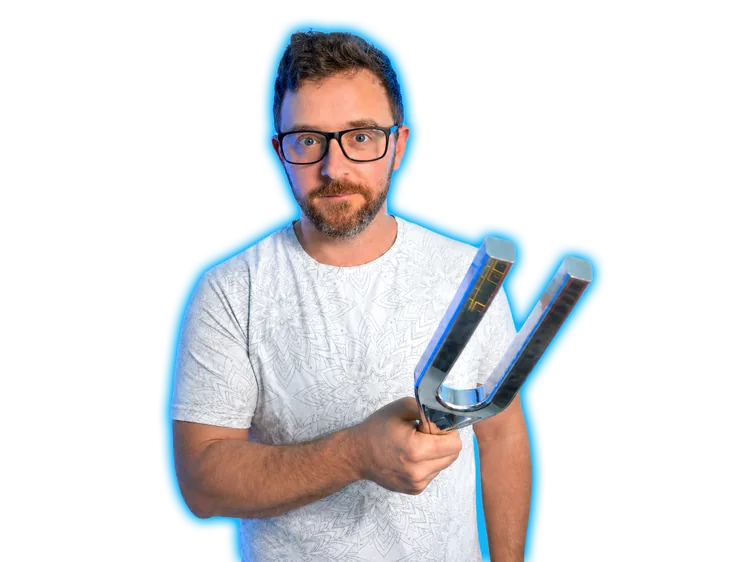
Tuning forks find where energy is stuck in the field around your body and bring it back into flow. Sessions over Zoom, recorded for you to keep.
30 Minute Consultations
Have something to look at, or looking for guidance? We can consult oracular tools, read your chart, or just talk through whatever you choose.
In this episode
Core themes
The Serpent Was Never the Devil
Chance builds the whole talk out of one chapter of Godfrey Higgins's Anacalypsis, a book he says he has been reading for about two years, in which the phallus, the egg and the serpent are named the three most celebrated emblems carried in the Greek Mysteries. Reading Genesis 3:1 back against the Hebrew, he argues the word translated as subtle means cunning or crafty and also naked, so the snake carries wisdom and erotic force at once. He quotes Higgins that no unprejudiced person reading Genesis would suspect the serpent there named was the devil, and adds his own view that the devil is a retroactive reading imported from Revelation.
Who Wrote the Ophites Into History
The Ophites reach us almost entirely through the people accusing them. Chance reads the Encyclopaedia Britannica entry on the second century Gnostic sects who, it says, treated the Jehovah of the Old Testament as a demiurge and the serpent as the true liberator of mankind, then the Jewish Encyclopedia, which notes that Irenaeus never used the name Ophites and that the fourth century writer Philaster placed the Ophites, Cainites and Sethites at the head of all heresies. He also questions how the Nag Hammadi texts were translated and circulated, and cautions that in his view whether such groups even existed under those names is still up for debate.
Dylan's Case for a Mediterranean Origin
Dylan, who joined at the last minute and says he was editing chapter eleven of his book that day, argues the symbol system travelled out of Italy rather than in from India. He cites a 1671 Latin inscription he found quoted in Edward Lhuyd's Archaeologia Britannica, the Etruscan city of Volterra with its so called Triton figures, and Etruscan Gorgon heads ringed with serpents. He contends the Mediterranean inscriptions all predate the oldest Indian ones, and says he will reverse his position the day someone produces older Indian ones. He also reads Elohim as plural and feminine, and Genesis 1:1 as by wisdom rather than in the beginning.
Gabe's Wordplay on Power and Possession
Gabe, billed as Slick Dissident, works the whole show in fragments through a five second delay and a failing connection. He traces the ladder on the Masonic tracing board to Diotima's ascent in Plato's Symposium and to the corporate habit of kissing up and kicking down, calls the letter S the letter of ownership and possession, and reads the subsection sign in law as the fine print Adam and Eve never got to. He offers Barack Obama as an anagram of obey my Cobra, links the code name Renegade to Naga, and says Roko's basilisk is riding on scientific optimism all the way to the horizon.
How Emblems Slowly Harden Into Idols
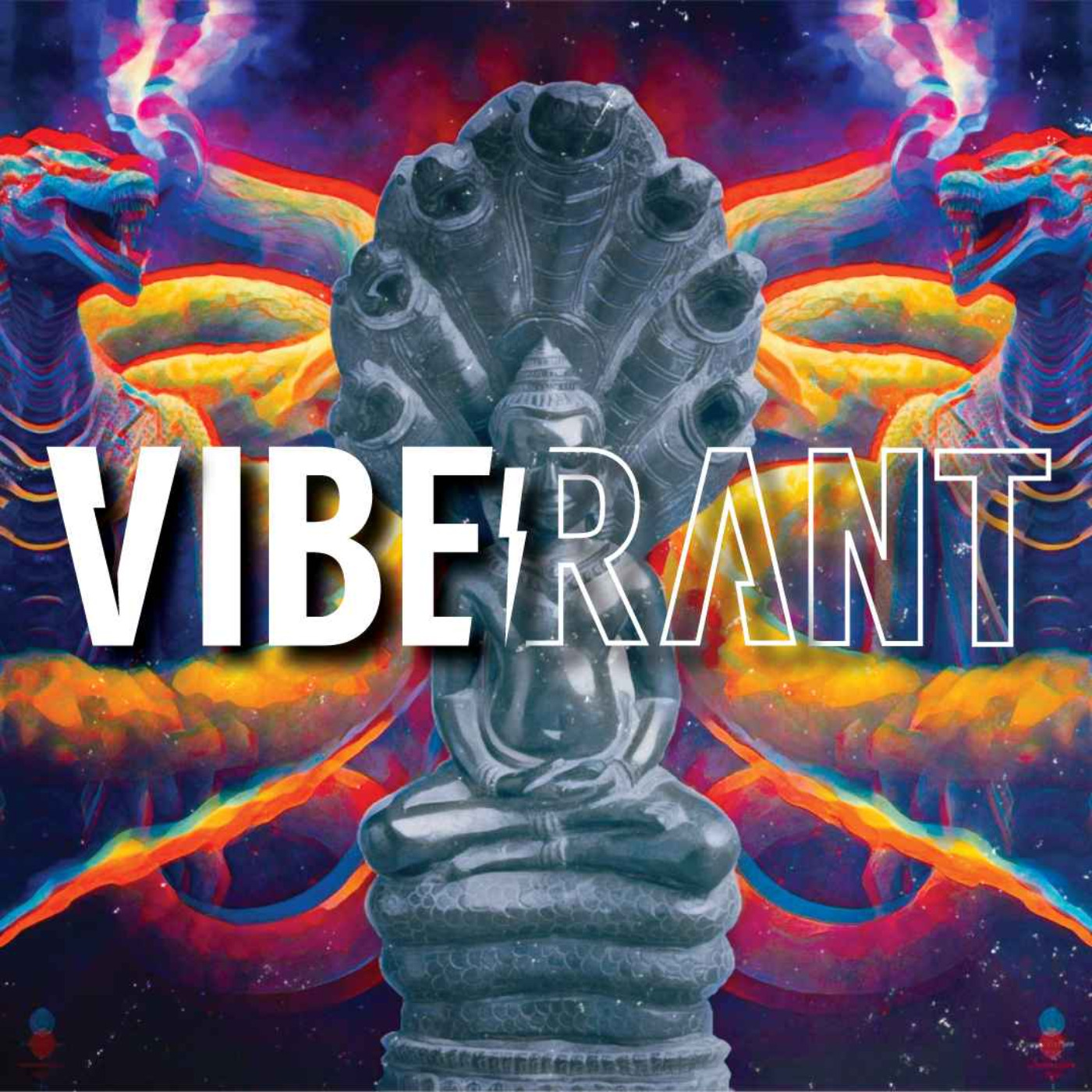
The closing stretch turns on accumulation. Chance follows Higgins's reasoning that admitting one new emblem per generation would alarm no worshipper, so the additions pile up unnoticed over thousands of years, and traces Buddha from a plain black seated figure to the cobra hood, then the multi headed cobra, then Krishna with every absurdity Higgins could name. He asks whether the Neros cycle was a deliberate fail safe, stripping the icons back every six hundred years or so, with Islam offered as a late example. Dylan answers that his objection is not that the stories are fiction, but that fiction is sold as historical fact.
Quotes
“Once every layer of complexity you add to it, every archetype you ascribe it to, you're now getting to this overarching very specific system that it can't be chalked up to coincidence.”
“Later peoples have the icons and emblems and symbols of their ancestors, but they lost the meaning of it, but they still venerate the symbol without really knowing what it really means.”
“The difficult thing about history is we're basically defining people, or exploring a culture, based on what we find in their cemeteries.”
“When you're getting caught up in good and evil, there's something possessing you that you're serving outside of yourself.”
“That is exactly what happened when they ate that apple. There was the terms of the agreement that they didn't read.”
“The serpent is an example of how an emblem becomes an allegory, the allegory becomes an icon, and the icon becomes an idol.”
“The thing about all of these inscriptions that are found in the Mediterranean, they all predate the oldest inscriptions of India.”
“I think that Roko's basilisk is riding on scientific optimism all the way to the horizon.”
“My biggest problem with all of this is not that it's fictitious. My problem with all of it is that it's being passed off as historical fact.”
“Religiously speaking, the literal belief in an external savior, in a historical external savior, is a step in the alchemical process of man's maturation.”
“Biologically we're told it's the DNA double helix, it's literally the serpent wrapping around a pole. There's the physics idea of string theory, vibrating strings or serpents making up all matter.”
“If we don't topple the Leviathan of the falsehoods of history, then we're just going to continue groping in the dark and playing make believe as a collective.”
Dylan Saccoccio is the author of the Spirit Whirled series, The Real Universal Empire, and the Tale of Onora. After chasing language back as far as possible, he now explores other avenues to prove cultural diffusion of the ancient universal empire of priests, navigators, masons, and merchants. Find his latest of many hundreds of articles on Substack.
See all Dylan episodes→Kyle and Serena Denton are community herbalists creating wild-crafted and organic plant medicines out of Milwaukee since 2015. I have used their teas and tinctures on an almost daily basis for years now. Kyle is a great friend of InnerVerse and has appeared on the channel more times than I can count. These products work, not in the allopathic "pharma-medicine" way, but in a terrain-support, consciousness bolstering plant-teacher sort of way.