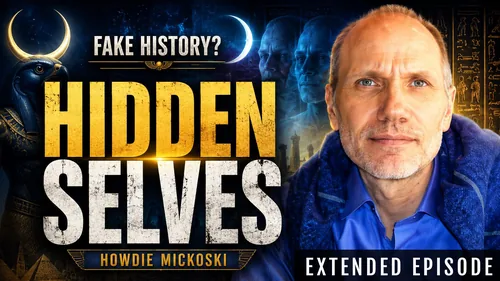
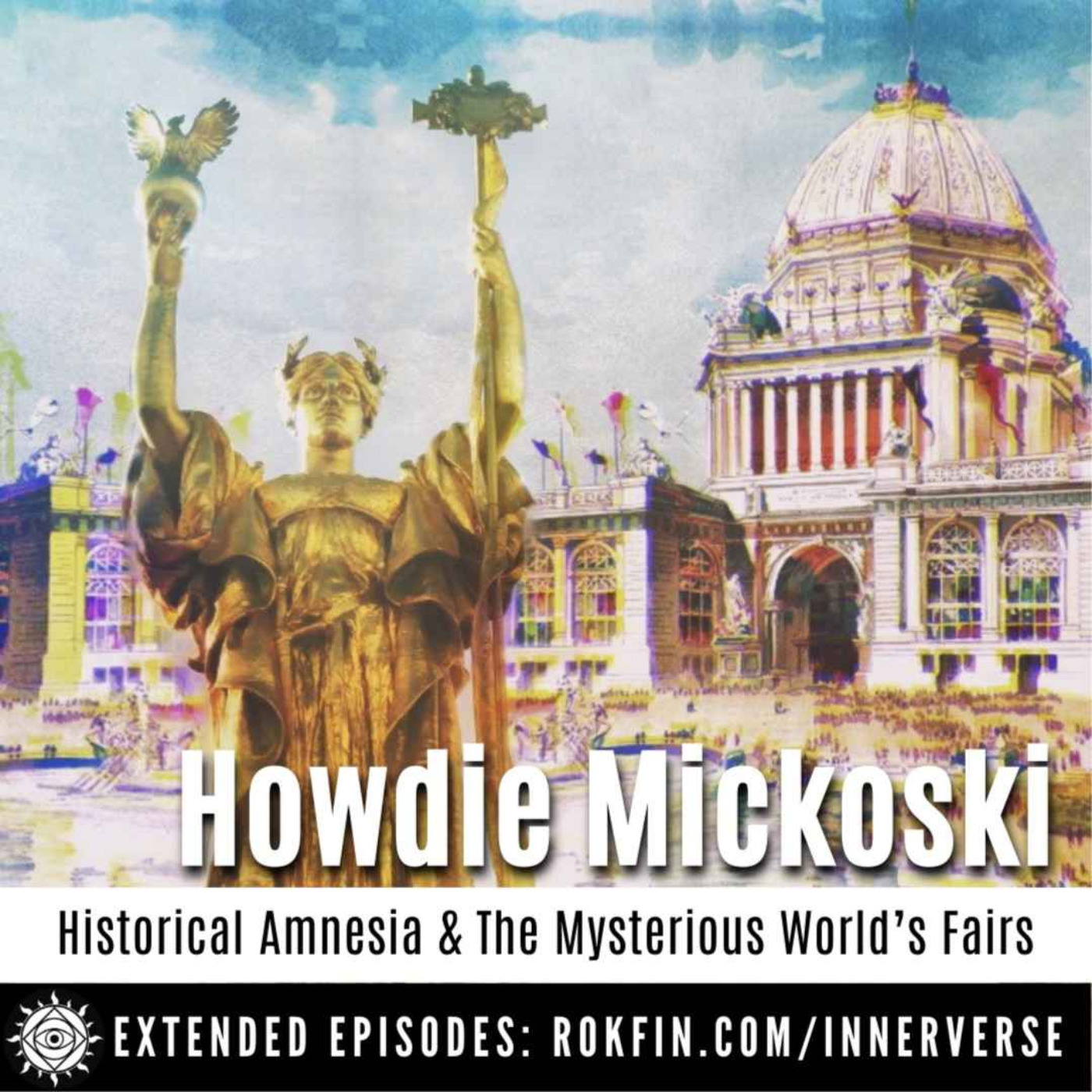
Historical Amnesia and the World's Fair Mystery with Howdie Mickoski and John Coleman









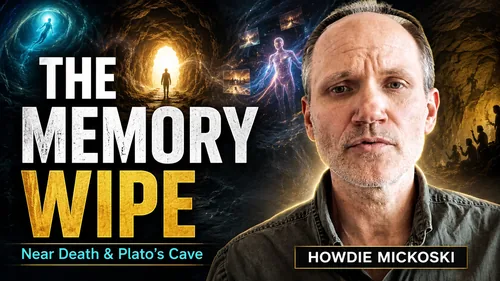
What if everything we know about history is based on a foundation of lies? Was North America a continent of primitives, or a grand society with architecture and technology surpassing our modern capabilities? These are the questions on deck with Howdie Mickoski, an author, historian, and deeply spiritual researcher who wrote Exposing The Expositions: Ancient Rome In America?
Riding shotgun this time is John Coleman of the Apocatastasis Institute, bringing the perspective of history through academia and education.
 Plus+Full episode · 2h 27m
 InnerVerse Plus+
Hear the full 2h 27m episode
66 more minutes of this conversation, plus the complete Plus+ archive, premium video and a private podcast feed for your app.
Cancel any time.
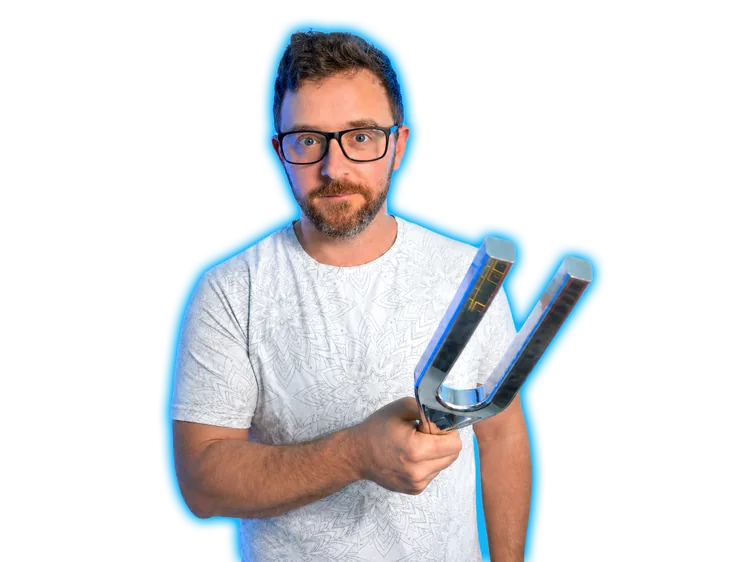
Get tuned with Chance
Tuning forks find where energy is stuck in the field around your body and bring it back into flow. Sessions over Zoom, recorded for you to keep.
30 Minute Consultations
Have something to look at, or looking for guidance? We can consult oracular tools, read your chart, or just talk through whatever you choose.
In this episode
Core themes
Built in Two Years or Already Standing?
Howdie Mickoski begins with the Chicago fair of 1893, 700 acres of Roman looking buildings said to have been raised in about two years and then blown up. He reports that a building contractor he consulted called that timeline impossible, estimating fifteen or sixteen years and 50,000 workers with modern machines. Howdie adds that construction photos from the 1904 St. Louis fair show scaffolding against finished buildings and no debris, which he reads as a cleanup of existing structures. He frames two options: technology we do not have, or an ancient North American civilization. Chance pulls up photos and urges listeners to explore them for themselves.
Money Trouble and the Fairs' Official Story
Howdie says the Philadelphia fair of 1876 lost four million dollars and that, by his account, no fair ever turned a profit, which strikes him as odd for wealthy backers. John asks where the money officially came from, and Howdie names the businessmen said to have funded Chicago, two bankers and a railroad baron, while noting a university project rising beside the fair. In his reading, the fairs, with their thousand page guidebooks, histories and symbol packed paintings, served as an official documentary of what the public should now believe. Before television and film, he says, they were the best vehicle for propaganda.
Howdie's Case That Humans Are Devolving
Asked by John where to put the goalposts between a rewritten nineteenth century and gradual progress, Howdie answers that humans have been devolving, not evolving. He says time at Egyptian, Toltec and Mayan sites convinced him that ancient builders reached a perfection of geometry and energy, and he describes feeling swirling energy in a cathedral in Nantes. Buildings made today, he says, feel dead. He recalls native medicine people telling him earlier generations were far greater, and he traces the idea of primitive ancestors to the fairs. Chance asks about Native cities; Howdie says he has no answer yet.
Reset Speculation and What Gets Forgotten
Howdie flags as research speculation his sense that a huge share of the world's population was eliminated between the 1820s and the 1860s, pointing to city fires whose photographs remind him of Dresden in 1944. Chance wonders whether falling fertility could be a slow reset, cites researchers who suggest Japanese could be extinct by 2200, and quotes Chrysostom on the vanished philosophy of the ancient world. Chance calls scant genealogical knowledge evidence of a reset. John adds the era's dislocations and schooling systems, Howdie adds orphan trains and ornate asylums, and in his outro Chance asks what else has been lost, given the unknown origins of astrology and tarot.
Columns, Universities and Grand Asylums
Chance shows his old college town of Columbia, Missouri, where by the official story a university building with massive ionic columns went up within nineteen years of the town's founding and was later ruined by fire, and he suggests anyone can find similar puzzles locally. Howdie says he watched such buildings vanish for parking lots in Ottawa and argues the columns still carry an energy people sense. Chance asks whether fair buildings became universities to control history, and Howdie points to the word university as universe city. John notes former asylum complexes near him, and Howdie says a hospital-turned-asylum outside Salt Lake City stood far from where people lived.
Quotes
“700 acres worth of supremely fantastic buildings that look like ancient Rome, supposedly built in an unbelievably record time, and then destroyed as soon as it was over.”
“You get Salt Lake City, you get San Francisco, several places that appear to have architecture already there and people were just moved in.”
“There's almost no institution that exists now that isn't somehow directly linked to the 1800s, whether it be law, finance, education, medicine, the military structure, almost everything.”
“A lot of hangnails and a lot of curious things with the official story or the normie story or whatever we want to call it.”
“Before you had television and before you had movies to, I might say, propagandize ideas to the world population, the World Fairs would have been your best bet to do it.”
“It's hard not to see a certain agenda altogether in this time period that we're talking about.”
“When I go look at buildings that are built today, they're just like dead.”
“Astrology, tarot, you name it, where did it come from? It makes you wonder if we've lost things that important. We really don't know where they came from. What else have we lost?”
“The more I study history, the more I don't believe any of it.”
“I hope people have their curiosity reignited in the world to realize that it's not as all cut and dry as we thought.”
Howdie Mickoski is an author and researcher of Gnostic and Cathar cosmology, near-death experiences, and reincarnation, best known for his book "Exit the Cave," which frames the material realm as a Demiurge-run "soul harvesting construct."
See all Howdie episodes→Kyle and Serena Denton are community herbalists creating wild-crafted and organic plant medicines out of Milwaukee since 2015. I have used their teas and tinctures on an almost daily basis for years now. Kyle is a great friend of InnerVerse and has appeared on the channel more times than I can count. These products work, not in the allopathic "pharma-medicine" way, but in a terrain-support, consciousness bolstering plant-teacher sort of way.